Wildlife problems rarely announce themselves clearly. It’s a scratching sound at 3 a.m., a strange smell drifting from a vent, or a torn piece of soffit that wasn’t like that last month. By the time most homeowners notice something’s wrong, an animal has usually already settled in and started causing damage.
Handling that safely, and permanently, takes more than a trap from the hardware store. Here’s how real wildlife control actually works, and why the process looks so different from what most people expect.
Why Animal Infestations Are Different From Insect Problems
Insects and rodents are one thing. Raccoons, skunks, squirrels, and opossums are another entirely. These animals are larger, more capable of causing structural damage, and in Ontario, subject to specific wildlife regulations that limit how they can legally be trapped, handled, and relocated.
Lethal methods aren’t an option for most wildlife species under provincial rules, and relocating an animal any real distance from where it was caught is restricted too. That changes the whole approach. Instead of simply removing the animal, wildlife experts focus on getting it to leave on its own terms, then sealing the space so it can’t come back.
Step One: A Real Inspection, Not a Guess
Every proper job starts with a thorough look at the property, not just the spot where the noise was heard. An animal infestation in an attic often has more than one entry point, and treating only the obvious one leaves the door open for the same animal, or a different one, to get back in through a spot nobody checked.
A full inspection typically covers:
- Rooflines, soffits, and vents, where raccoons and squirrels most often gain access
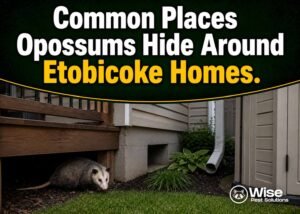
- Foundation gaps and crawl space openings, common entry points for skunks and opossums
- Chimneys and attic vents, frequently overlooked until an animal is already denning inside
- Sheds, decks, and porches, all common shelter spots for ground-dwelling wildlife
- Signs of existing damage, including chewed wiring, torn insulation, and droppings
This step also determines whether there’s a litter involved, which changes the timeline for safe removal significantly.
Step Two: Humane Removal, Done Properly
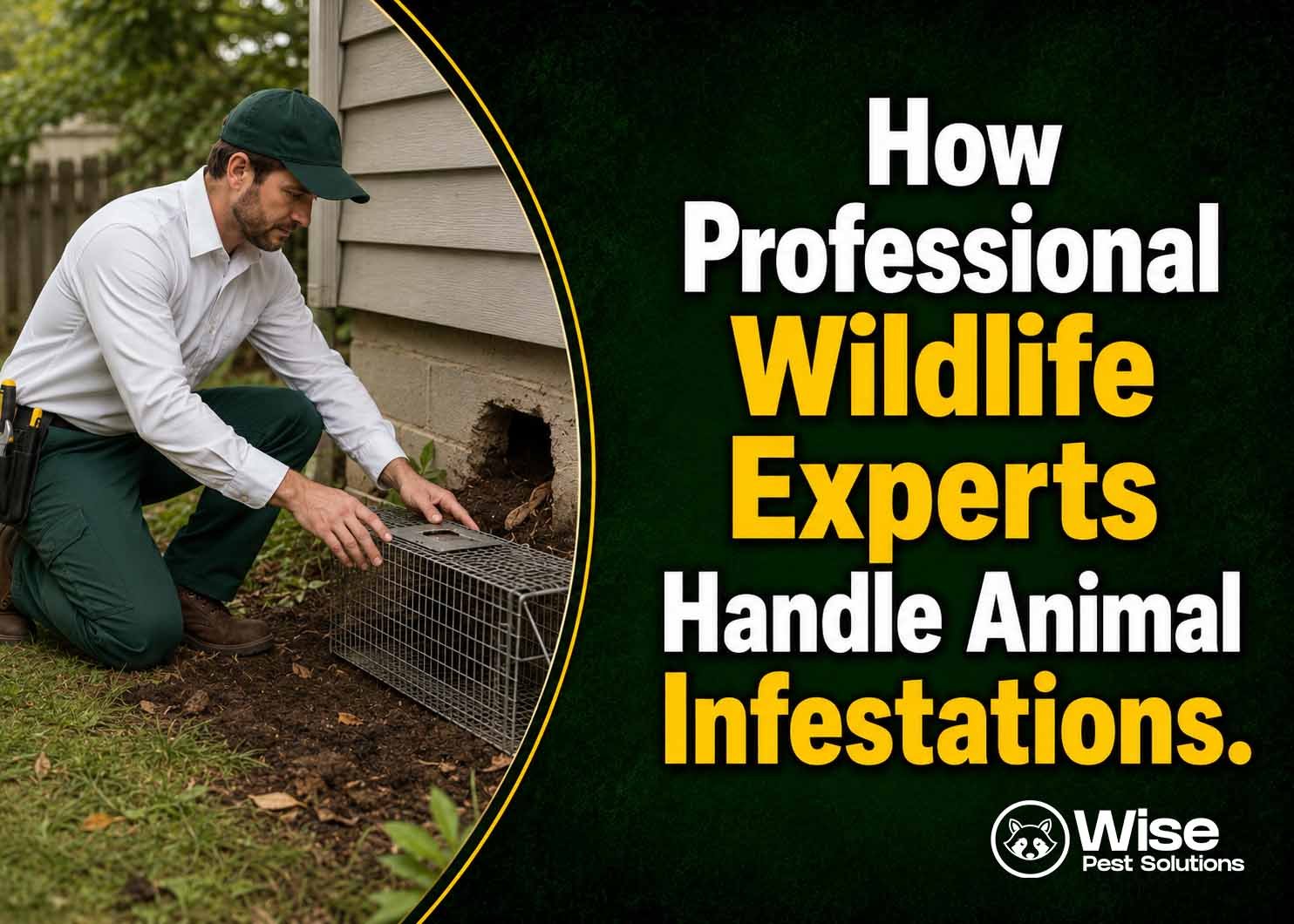
Once the entry point and extent of the problem are confirmed, removal starts. Most professional wildlife removal work relies on one-way doors, devices that let an animal exit a den to feed at night but prevent it from getting back inside. This avoids trapping an animal indoors, which can lead to panic, damage, or in the worst cases, the animal dying inside a wall or attic space.
Timing matters here too. Removal during birthing season needs extra care, since sealing a den with young inside separates them from a mother that can still get in and out, or leaves them trapped with no way to be reunited. Experienced technicians check for this before installing any exclusion device.
Step Three: Cleanup and Damage Assessment
Wildlife rarely leaves a space the way it found it. Droppings, urine, and nesting material left behind by raccoons, squirrels, or opossums can contaminate insulation and create real health risks, including exposure to bacteria and parasites carried by the animal.
A proper cleanup addresses this directly, removing contaminated material and disinfecting the affected area. Any structural damage, chewed wiring, torn insulation, or compromised vapour barriers, gets documented so the homeowner knows exactly what needs repair.
Step Four: Sealing the Property for Good
This is the step that actually stops the problem from repeating. Once the space is confirmed empty, technicians seal the entry point with materials built to withstand another attempt, not just a quick patch that an animal can tear through again within weeks.
Wildlife removal services that skip this step, or rush it before confirming the den is empty, are the reason so many homeowners deal with the same animal problem two or three times in a single year. Proper exclusion work is what separates a lasting fix from a temporary one.
Step Five: Prevention Guidance
The best wildlife removal work doesn’t end at the seal. A good technician explains what attracted the animal in the first place, whether that’s an unsecured garbage bin, pet food left outside, overhanging tree branches, or a gap that’s been there for years without anyone noticing.
This guidance matters because removing one animal without addressing what drew it there just clears the way for the next one to move in.
Why This Process Beats a DIY Attempt
A trap bought online doesn’t account for Ontario’s wildlife regulations, doesn’t identify every entry point, and doesn’t address what’s attracting the animal in the first place. It might remove one raccoon, but if the roofline gap is still open and the garbage is still unsecured, another one shows up within weeks.
Trained wildlife experts bring the inspection, the legal knowledge, and the exclusion materials needed to close the loop properly, the first time.
Getting the Problem Solved Properly
An animal infestation that’s ignored doesn’t stay small. What starts as a raccoon in the attic can turn into torn insulation, chewed wiring, and a repeat visitor within the same season. Wise Pest Solutions handles wildlife control across the GTA with a process built around inspection, humane removal, cleanup, and permanent exclusion, not a quick fix that leaves the door open. If you’re dealing with wildlife activity anywhere on your property, contact us and we’ll send a technician out to handle it properly.