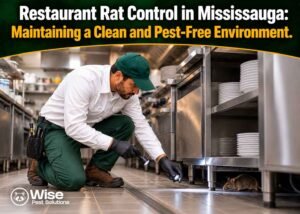

The night cleaner spots it first: a mouse running along the baseboard in the break room, then droppings behind the coffee station. A week later, a staff member posts a photo in the group chat. By Friday, a customer has left a one-star review that mentions “rodents.”
Pest problems at a business rarely stay quiet. They show up in inspection reports, online reviews and staff complaints, often all at once. Good commercial pest control Toronto businesses can rely on prevents that chain reaction. It finds how pests get in, removes what draws them, treats only where needed, and keeps a written record for inspectors and auditors.
The pressure is growing. Rodent complaints in Toronto rose from 1,165 in 2015 to 2,523 in 2024, more than double. Construction, warmer winters and a denser downtown are pushing rats into buildings that never had a problem before.
Key Takeaways
- The most common commercial pests in Toronto are rats, mice, German cockroaches, bed bugs, flies, stored product insects and pigeons.
- Rodent complaints have more than doubled in Toronto since 2015, and construction is a major reason.
- Inspections are public. Toronto Public Health posts DineSafe results, and a conditional pass or closure is visible to every customer.
- Integrated pest management (IPM) is the standard. That means inspection, sanitation, sealing, monitoring and targeted treatment, not just spraying.
- Records matter. Inspectors and food safety auditors expect service reports, trap logs and corrective actions.
- A licensed exterminator is required to apply pesticides for hire in Ontario.
Table of Contents
- What Pests Cause the Most Problems for Toronto Businesses?
- Why Do Businesses Need Professional Pest Control?
- How Does Commercial Pest Control in Toronto Work?
- What Do Different Industries Need From a Pest Program?
- How Much Does Commercial Pest Control Cost in Toronto?
- How Do You Choose the Right Commercial Exterminator in Toronto?
- FAQs
- Conclusion
What Pests Cause the Most Problems for Toronto Businesses?
Rats and mice cause the most calls, followed by German cockroaches, bed bugs, flies and stored product insects. Which pest you get depends on your industry, your building’s age and what’s happening on the block around you.
The Pests We See Most
- Rats. Norway rats burrow along foundations, garbage areas and laneways. Downtown construction and older sewer lines push them into nearby buildings.
- Mice. House mice fit through a gap about the size of a dime. They live inside walls, ceilings and equipment.
- German cockroaches. These are the main restaurant and multi-unit cockroach. They hide in warm, wet spots near kitchen equipment and spread fast.
- Bed bugs. They’re a problem for hotels, offices, shelters, healthcare and condos. They travel in on bags, clothes and furniture.
- Flies. Fruit flies and drain flies breed in floor drains, bar areas and organic waste.
- Stored product pests. Beetles and moths get into flour, grain, dried goods and pet food in warehouses and retail.
- Pigeons. They nest on loading docks, signs and ledges and leave acidic droppings.
Why Toronto Is a Tough City for Pests
- Constant construction. Digging disturbs rat burrows and sends rats looking for new homes.
- Old buildings. Century-old brick, shared walls and aging plumbing in areas like Kensington, Chinatown and the Danforth create endless gaps.
- Density. In a strip of attached businesses, one tenant’s problem quickly becomes the neighbour’s.
- Laneway garbage. Shared bins and grease containers feed rats every night.
Why Do Businesses Need Professional Pest Control?
Because one infestation can cost far more than a year of prevention. A business faces failed inspections, thrown-out stock, lost customers and possible legal claims. DIY sprays and store-bought traps rarely fix the source.
What’s at Stake
- Inspections. Toronto Public Health inspects food premises through the DineSafe program. Results are posted online and on a sign at the entrance, so customers see them.
- Audits. Food plants and warehouses that follow standards like SQF, BRCGS or AIB need a documented pest program to pass.
- Stock losses. Contaminated food, packaging or goods has to be thrown out.
- Reputation. One photo of a mouse or roach online can do lasting damage.
- Staff health and morale. Nobody wants to work around droppings or bed bugs.
- Property damage. Rodents chew wiring, insulation and packaging, and that can lead to fires and equipment failures.
Why DIY Usually Fails
Store-bought sprays scatter cockroaches deeper into walls. Snap traps catch a few mice while the rest keep breeding. And applying pesticides as a service in Ontario requires a licensed exterminator, so staff shouldn’t be treating the building themselves.
Real Example From the Field
A café on Queen West kept getting mice even though staff set traps every night. During the inspection, we found a gap under the back door and an opening where the internet cable came through the wall from a shared laneway.
We sealed both gaps with steel wool and a door sweep, set tamper-resistant monitoring stations, and gave staff a short closing checklist for food storage. The mouse activity stopped within two weeks, and the café passed its next DineSafe inspection without a pest note.
How Does Commercial Pest Control in Toronto Work?
Professional programs use integrated pest management, or IPM. In plain words, that means finding out why pests are there and fixing the cause, then using treatments only where they’re needed. It’s safer for staff and customers, and it works better over time.
Step 1: Site Inspection
A technician checks the whole site: kitchens, storage, washrooms, basements, garbage areas, loading docks and the outside walls. They look for droppings, grease marks, gnaw marks, live insects and the gaps pests use to get in.
Step 2: Written Plan
You get a report that lists the pests found, the risk areas, the work needed and a service schedule. This is the plan inspectors and auditors want to see.
Step 3: Sealing and Exclusion
Gaps around pipes, doors, vents, cables and foundations are sealed with steel wool, metal flashing, door sweeps and sealant. This is the step most quick-fix companies skip.
Step 4: Targeted Treatment
- Rodents: Tamper-resistant bait stations outside, traps inside, placed to keep products and people safe.
- Cockroaches: Gel baits and growth regulators in cracks and equipment voids, not wide-area spraying.
- Bed bugs: Heat treatment or targeted products, plus inspection of nearby rooms or units.
- Flies: Drain cleaning, light traps and removal of breeding sites.
Step 5: Monitoring and Records
Each visit is logged with trap counts, activity found and actions taken. Over time, these logs show trends and help catch new problems early.
Step 6: Staff Guidance
Your staff see the building every day. A short checklist for food storage, garbage handling and spotting early signs makes a big difference.
What Do Different Industries Need From a Pest Program?
Every business type has different risks, so the plan should match the site. Business pest control Toronto companies need looks very different for a downtown restaurant than for an office tower or a warehouse in Etobicoke.
Restaurants and Food Service
- Visits every two weeks or monthly
- Focus on rodents, cockroaches and flies
- Inspection-ready records kept on site
- Service done before opening or after closing
Food Processing and Warehouses
- Detailed trap maps and trend reports for audits
- Monitoring for stored product insects
- Bird control on docks and in rafters
- Rodent stations around the outside of the building
Offices and Retail
- Quarterly or monthly visits
- Focus on mice, ants and occasional bed bugs
- Quiet, discreet service outside business hours
Hotels, Healthcare and Multi-Residential
- Bed bug inspection and response plans
- Unit-by-unit tracking
- Clear communication with tenants or guests
- Fast response times
Property Managers
- One provider for multiple buildings
- Shared reports across sites
- Help with tenant notices and access
How Much Does Commercial Pest Control Cost in Toronto?
There’s no single price, because the cost depends on the size of the site, the type of pest, how often service is needed and how much documentation you need. Most businesses pay a monthly or per-visit rate under a service agreement.
What Affects the Price
- Site size. More square footage means more stations and more inspection time.
- Industry. Food businesses need more frequent visits and more detailed records.
- Current activity. An active infestation needs an intensive start-up phase.
- Visit frequency. Weekly, biweekly, monthly or quarterly.
- Sealing work. Major exclusion jobs are often quoted separately.
- Special treatments. Heat treatments for bed bugs or bird netting add cost.
Quality commercial pest control services Toronto businesses use will give a written quote that lists the setup work, the ongoing service and what’s included between visits.
Why Ongoing Service Usually Costs Less
One emergency closure can cost more than a year of regular visits, once you count lost sales, thrown-out stock and clean-up. Prevention keeps costs steady and predictable.
How Do You Choose the Right Commercial Exterminator in Toronto?
Choose a licensed, insured provider that uses IPM, keeps clear records, works around your hours and responds quickly. Ask about their experience in your industry before signing anything.
At Wise Pest Solutions, we build each plan around the site, not a one-size-fits-all contract. A commercial exterminator Toronto businesses can trust should know what your inspector or auditor expects before they show up.
Questions to Ask Before Hiring
- Are your technicians licensed under Ontario’s pesticide rules?
- Can you show proof of commercial liability insurance?
- Do you use IPM, or mainly spraying?
- What records will I get after each visit?
- How fast do you respond to call-backs between visits?
- Can you service us before opening or after closing?
- Do you have experience with my industry and its audit standards?
Red Flags to Watch For
- Prices quoted over the phone without an inspection
- No written reports
- Heavy spraying as the only solution
- Long contracts with no performance terms
FAQs
How Often Should a Restaurant Have Pest Control?
Most restaurants in Toronto do best with visits every two weeks or once a month. High-traffic kitchens, older buildings or sites with past problems may need more. Your provider should adjust based on what they find.
Is Commercial Pest Control Safe for Staff and Customers?
Yes, when it’s done right. IPM uses sealing, sanitation and targeted baits rather than wide spraying. Treatments are placed in cracks, voids and locked stations, away from food and people.
What Does a Health Inspector Look For?
Inspectors look for droppings, live or dead pests, gaps where pests get in, poor food storage and garbage problems. They may also ask to see your pest control records, so keep service reports on site.
Who Is Responsible for Pest Control, the Landlord or the Tenant?
It depends on your lease. Tenants often handle pest control inside their unit, while landlords handle common areas and the building’s outside walls. In shared buildings, a coordinated plan works best.
How Fast Can a Commercial Infestation Be Fixed?
Light activity often clears in two to four weeks. Heavy cockroach or rodent problems can take one to three months of steady service. Sealing entry points early speeds things up.
Conclusion
Pests don’t care how good your food is or how clean your lobby looks. One gap under a door, one overflowing bin or one bag carried in from outside is enough. With rodent complaints in Toronto more than doubling over the last decade, waiting for a problem is a risky plan.
What works is steady, documented prevention: seal the gaps, fix the conditions that draw pests in, treat only where needed, and keep records you can hand to any inspector.
Ready to protect your business? Book a commercial pest inspection with Wise Pest Solutions for commercial pest control Toronto businesses can count on, with a custom service plan and clear reports after every visit.